


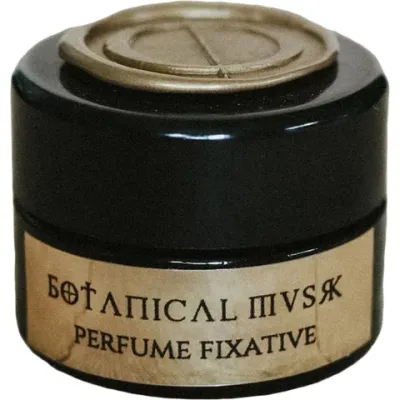






















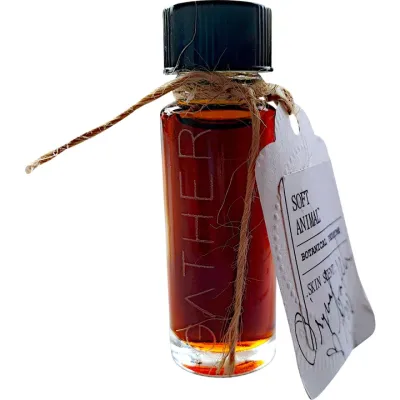


One of the most commonly used animalic notes in perfumery is musk. Musk has been used in perfumery for centuries and is prized for its ability to add warmth, depth, and sensuality to a fragrance. Musk can range from clean and powdery to rich and earthy, depending on the source and extraction method. It is often used as a base note in perfumes, helping to anchor the fragrance and give it staying power.
Another popular animalic note is civet. Civet is extracted from the civet cat, a small mammal native to Africa and Asia. Civet has a strong, musky odor with fecal undertones, giving it a distinctive and exotic aroma. Civet is often used in small amounts in perfumery to add complexity and richness to a fragrance. It can also act as a fixative, helping to extend the longevity of other notes in the perfume.
Castoreum is another animalic note that is derived from the castor sacs of beavers. Castoreum has a leathery, musky scent with hints of sweetness and smokiness. It is often used in leather fragrances to mimic the smell of real leather. Castoreum can also add a warm and sensual touch to floral or oriental perfumes, making them more complex and intriguing.
Hyraceum is a lesser-known animalic note that comes from the petrified excrement of the rock hyrax, a small mammal native to Africa. Hyraceum has a deep, complex aroma with notes of musk, wood, and tobacco. It is prized for its animalic and earthy qualities, as well as its ability to add depth and richness to a fragrance. Hyraceum is often used in niche perfumery to create unique and avant-garde scents.
Ambergris is a highly sought-after animalic note that is produced by the sperm whale. Ambergris has a sweet, musky scent with marine and earthy undertones. It is often described as having a warm, velvety texture that adds a luxurious and sensual touch to a perfume. Ambergris is used in small amounts in perfumery to add depth, complexity, and longevity to a fragrance, making it a prized and expensive ingredient.
One of the key characteristics of animalic notes is their ability to evoke primal and instinctual reactions in the wearer and those around them. Animalic notes can create a sense of intimacy and closeness, as they mimic the natural scents of animals and the human body. They can also add a touch of mystery and seduction to a fragrance, making it alluring and unforgettable.
When using animalic notes in perfumery, it is important to consider the balance and composition of the fragrance. Animalic notes are powerful and can easily overwhelm other elements in a perfume if not used judiciously. They are often best used in small amounts to add depth and complexity without dominating the composition. Animalic notes can also be combined with other scent families, such as floral, woody, or citrus, to create a harmonious and well-rounded fragrance.
Overall, animalic notes are a fascinating and versatile category of scents that can add a unique and alluring quality to a perfume. Whether used to create a bold and daring fragrance or to add depth and richness to a more subtle composition, animalic notes have the power to captivate and enthrall the senses. Their primal and sensual qualities make them a timeless and enduring addition to the world of perfumery.