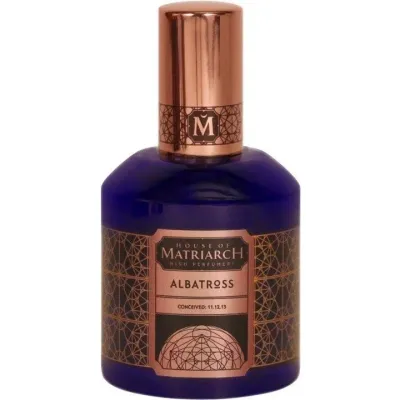


So, what exactly is cork and why is it becoming a coveted fragrance note among perfumers? Cork is the bark of the cork oak tree, scientifically known as Quercus suber, which is native to the Mediterranean region. The bark is harvested from the tree every 9-12 years, making cork a sustainable and renewable resource. Its unique cellular structure makes it lightweight, flexible, and impermeable to liquids and gases, making it an ideal material for a variety of applications, including wine closures, flooring, and even fragrance.
When used in perfumery, cork adds a warm, earthy, and woody note to a fragrance, reminiscent of the oak forests where the cork oak tree grows. It brings a sense of groundedness and sophistication to a scent, making it suitable for both men's and women's fragrances. Cork can also have a slightly sweet and nutty undertone, adding depth and complexity to the overall composition.
One of the reasons why cork has become a popular fragrance note is its ability to evoke a sense of nostalgia and comfort. For many people, the smell of cork is associated with memories of opening a bottle of wine or handling a cork board in school. This familiarity adds a comforting and familiar aspect to a fragrance, making it more appealing and wearable.
In addition to its olfactory properties, cork also has practical benefits when used in perfumery. Its absorbent nature allows it to hold and release fragrance molecules slowly over time, creating a long-lasting scent that evolves on the skin. Cork can also act as a fixative, helping to extend the longevity of other notes in a fragrance and creating a harmonious blend of scents.
When designing a fragrance with cork as a note, perfumers have a wide range of possibilities to explore. Cork can be used as a top, middle, or base note, depending on the desired effect. As a top note, it can add a fresh and citrusy touch to a fragrance, while in the middle and base notes, it can bring depth and warmth to the composition.
Cork also pairs well with a variety of other fragrance notes, making it a versatile ingredient in perfumery. It complements woody notes like cedar and sandalwood, adding a rich and earthy aspect to the blend. Cork can also enhance floral notes, giving them a more grounded and sophisticated feel. For a more modern and avant-garde scent, cork can be combined with spicy or fruity notes, creating a complex and unexpected fragrance.
Overall, cork is a unique and versatile fragrance note that adds a touch of sophistication and nostalgia to a scent. Its warm, woody, and earthy aroma, combined with its practical benefits, make it an invaluable ingredient in the world of perfumery. Whether used as a top note to add freshness or as a base note to provide depth, cork has the ability to elevate a fragrance and create a memorable olfactory experience for the wearer.