


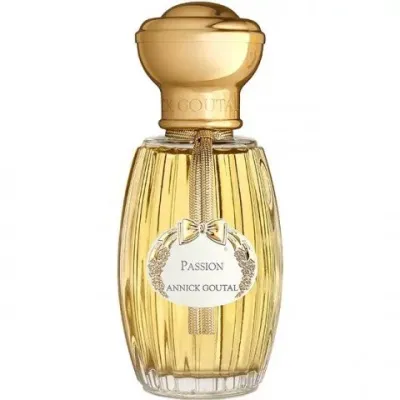




Egyptian jasmine, also known as Jasmine Grandiflorum, is a variety of jasmine that is native to the Middle East and North Africa. It is renowned for its rich, sensual scent that exudes elegance and sophistication. The jasmine plant is a perennial vine that produces small, white flowers with a fragrance that is both sweet and intoxicating. The scent of Egyptian jasmine is often described as floral, fruity, and slightly musky, with a hint of greenness that adds a fresh and airy quality to the fragrance.
One of the most fascinating aspects of Egyptian jasmine is its historical significance and cultural symbolism. In ancient Egypt, jasmine was revered for its heavenly fragrance and was often used in religious ceremonies and as an aphrodisiac. The ancient Egyptians believed that jasmine had mystical powers and used it to enhance meditation and spiritual practices. Today, Egyptian jasmine is still considered a symbol of love and sensuality, making it a popular choice for romantic and seductive perfumes.
When it comes to perfumery, Egyptian jasmine is highly prized for its complex and multi-faceted scent profile. The fragrance of jasmine is composed of several key components, including indole, benzyl acetate, linalool, and jasmone. These compounds give jasmine its distinctive aroma, which is often described as warm, floral, and slightly spicy. Egyptian jasmine is known for its heady and long-lasting scent that lingers on the skin, making it a popular choice for perfumes, lotions, and candles.
The versatility of Egyptian jasmine makes it a favorite among perfumers who are looking to create sophisticated and alluring fragrances. Jasmine is often used as a heart note in perfumery, where it adds depth, complexity, and sensuality to a fragrance. Egyptian jasmine blends beautifully with a wide range of other notes, including citrus, floral, woody, and musky scents, making it a key ingredient in many iconic perfumes.
One of the most famous perfumes that features Egyptian jasmine is Chanel No. 5, which was created by perfumer Ernest Beaux in 1921. This iconic fragrance is known for its opulent and radiant floral scent, with Egyptian jasmine playing a central role in the composition. The jasmine in Chanel No. 5 is complemented by notes of rose, sandalwood, and aldehydes, creating a luxurious and timeless scent that has captivated generations of women.
In addition to its use in perfumery, Egyptian jasmine is also valued for its aromatherapy properties. The scent of jasmine is believed to have a calming and uplifting effect on the mind and body, making it a popular choice for use in aromatherapy treatments and home fragrances. Jasmine essential oil is often used in massage oils, bath products, and room sprays to promote relaxation, reduce stress, and enhance mood.
Overall, Egyptian jasmine is a truly enchanting and captivating fragrance note that continues to captivate and inspire perfumers and fragrance lovers around the world. Its rich history, sensual aroma, and versatile nature make it a timeless and classic ingredient in the world of perfumery. Whether used as a standalone note or as part of a complex fragrance composition, Egyptian jasmine adds a touch of elegance, sophistication, and allure to any perfume it graces.