


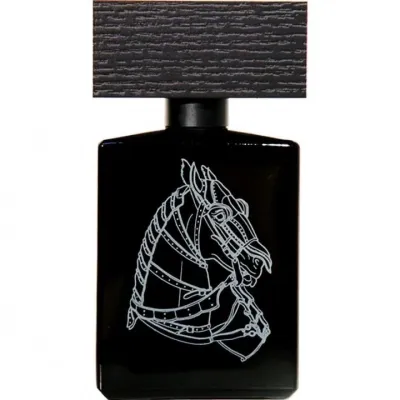


The liquor note in perfumery is derived from various alcoholic spirits, such as whiskey, rum, brandy, and gin. Each type of liquor imparts its own distinct aroma and character to a fragrance, allowing perfumers to create complex and nuanced compositions. Whiskey, for example, lends a warm and spicy richness to a perfume, while rum adds a sweet and boozy undertone. Brandy brings a fruity and refined quality, while gin contributes a crisp and herbal freshness.
One of the key challenges in working with the liquor note is finding the right balance to prevent it from overpowering the other elements in a fragrance. Too much liquor can make a perfume smell overwhelming and cloying, while too little may result in a subtle and imperceptible presence. The art of perfumery lies in mastering the interplay of different notes, including liquor, to create a harmonious and well-rounded scent.
When used judiciously, the liquor note can add depth, complexity, and sophistication to a perfume. It can provide a sensual and intoxicating quality that captivates the senses and leaves a lasting impression. The warmth and richness of liquor notes can evoke a sense of comfort and indulgence, making them particularly appealing in cold weather or evening fragrances.
Perfumers often combine the liquor note with other complementary ingredients to enhance its character and create a unique olfactory experience. For example, the addition of spices like cinnamon, clove, or black pepper can amplify the warmth and complexity of whiskey notes. Sweet notes like vanilla, caramel, or honey can enhance the boozy sweetness of rum or brandy. Fresh and green notes like juniper, coriander, or bergamot can accentuate the herbal nuances of gin.
The liquor note is incredibly versatile and can be used in a wide range of fragrance compositions, from gourmand to oriental to woody. It can be the central focus of a perfume or play a supporting role in a more complex blend. Regardless of its prominence, the liquor note adds a luxurious and refined touch that elevates any fragrance it is featured in.
One of the most iconic examples of a fragrance that prominently features the liquor note is Tom Ford's Tobacco Vanille. This rich and decadent scent combines the warm and spicy notes of tobacco and vanilla with a generous dose of whiskey, creating a luxurious and intoxicating blend. The liquor note in Tobacco Vanille adds a seductive and bold quality that sets it apart from other fragrances.
Another noteworthy fragrance that showcases the liquor note is Kilian's Black Phantom. This complex and mysterious scent blends rum, coffee, and almond notes to create a dark and sensual aroma that is both addictive and haunting. The liquor note in Black Phantom adds a boozy sweetness that is both alluring and comforting, making it a popular choice for those seeking a sophisticated and indulgent scent.
Whether you prefer the warm and spicy richness of whiskey, the sweet and boozy undertones of rum, the fruity and refined quality of brandy, or the crisp and herbal freshness of gin, there is a fragrance with a liquor note that is sure to captivate your senses. The versatility and allure of this note make it a timeless and captivating ingredient in perfumery, adding a touch of celebration, opulence, and indulgence to any scent it graces.