




















![Clean Reserve - Warm Cotton [Reserve Blend]](https://wikifragancias.com/images/perfumes/clean/clean-reserve--warm-cotton-reserve-blend/400.webp)




















































![Ourania [intuitive]](https://wikifragancias.com/images/perfumes/ime/ourania-intuitive/400.webp)





![R[eco]nsider](https://wikifragancias.com/images/perfumes/springfield/r-eco-nsider/400.webp)








![Urban Beats [Red Edition]](https://wikifragancias.com/images/perfumes/macson/urban-beats-red-edition/400.webp)


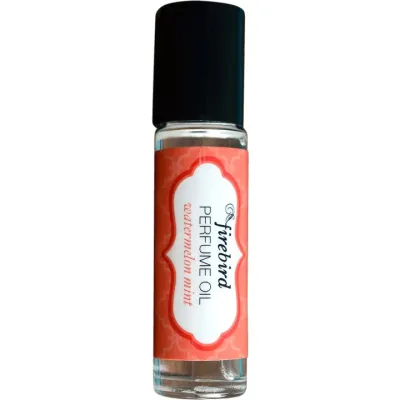








Mint is a member of the Lamiaceae family, which includes other aromatic herbs like basil, rosemary, and lavender. There are several different varieties of mint that are commonly used in perfumery, including peppermint, spearmint, and bergamot mint. Each variety of mint has its own distinct aroma, ranging from sweet and herbal to sharp and mentholated. Peppermint, with its high menthol content, is often used in toothpaste and breath fresheners, while spearmint has a milder, sweeter scent.
One of the key characteristics of mint as a fragrance note is its cooling and refreshing quality. When you think of mint, you likely imagine the sensation of biting into a fresh mint leaf or taking a sip of a mint-infused drink. In perfumery, mint can have a similar effect, creating a sense of cleanliness and vitality in a fragrance. Mint is often used in "aromatic fougère" fragrances, which are known for their fresh, herbaceous notes.
While mint is commonly associated with freshness, it can also add depth and complexity to a fragrance when combined with other notes. Mint blends well with citrus notes like lemon and bergamot, enhancing their crispness and adding a touch of sweetness. It also pairs beautifully with floral notes like lavender and rose, softening their intensity and creating a harmonious balance. Mint can even be used in gourmand fragrances, where its coolness can temper the sweetness of vanilla or caramel.
One of the reasons why mint is so versatile in perfumery is its ability to evoke a wide range of emotions and sensations. Mint is often used in fragrances meant to energize and uplift, making it a popular choice for daytime scents. The invigorating aroma of mint can help sharpen focus and improve mental clarity, making it a great choice for work or study. Mint can also have a calming effect on the mind and body, making it a soothing choice for relaxation and meditation.
When choosing a fragrance that features mint as a prominent note, it's important to consider the other notes in the composition and how they interact with the mint. Mint can be a dominant note in a fragrance, as in the case of mint-forward scents like Guerlain's Aqua Allegoria Herba Fresca or Creed's Silver Mountain Water. In these fragrances, mint is the star of the show, providing a burst of cool freshness that lingers on the skin.
Alternatively, mint can play a supporting role in a fragrance, adding a subtle hint of minty freshness to the overall composition. This is often the case in fragrances like Jo Malone's Earl Grey & Cucumber or Tom Ford's Grey Vetiver, where mint is used to enhance other notes and create a complex, multi-layered scent. Whether mint is front and center or playing a supporting role, its presence can elevate a fragrance and create a memorable olfactory experience.
Overall, mint is a versatile and dynamic fragrance note that can bring a sense of freshness, vitality, and sophistication to a fragrance. Whether you prefer the invigorating aroma of peppermint or the sweet freshness of spearmint, there is a mint-infused fragrance out there for everyone. So next time you're in the market for a new scent, consider exploring fragrances that feature mint as a key note and experience the cool, crisp allure of this ancient herb.