

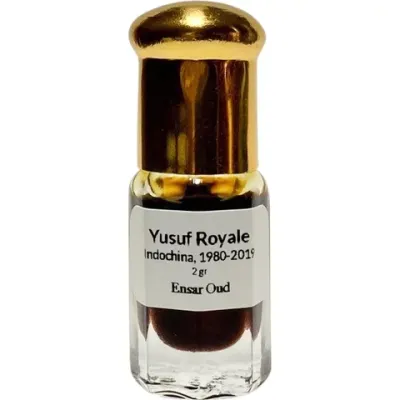
One of the most fascinating aspects of Southeast Asian oud is its multifaceted aroma. The scent of oud can vary depending on the species of agarwood tree, the location where it was harvested, and the aging process. Southeast Asian oud is often characterized by its deep, resinous, and woody notes, with hints of sweetness, spice, and earthiness. It has a complex and intoxicating aroma that evolves on the skin, revealing layers of depth and richness over time.
When used in perfumery, Southeast Asian oud adds a sense of sophistication and luxury to a fragrance. It has a warm and enveloping quality that can create a sense of intimacy and sensuality. Oud is often referred to as "liquid gold" in the perfume world, and for good reason – its rich and opulent scent is truly a treasure to behold.
One of the key characteristics of Southeast Asian oud is its longevity. Oud is known for its tenacity and staying power on the skin, making it a popular choice for perfumers looking to create long-lasting and impactful fragrances. The scent of oud can linger for hours, slowly evolving and developing on the skin, creating a captivating olfactory experience that is truly unforgettable.
There is a mystical and exotic quality to Southeast Asian oud that sets it apart from other fragrance notes. The history of oud dates back thousands of years, with references to its use in ancient civilizations and cultures. Oud has been prized for its medicinal, mystical, and aphrodisiacal properties, and its use in perfumery is a testament to its enduring allure.
When used in a fragrance, Southeast Asian oud can play many different roles. It can be the star of the show, taking center stage and dominating the composition with its bold and powerful aroma. Oud can also be used as a supporting player, adding depth and complexity to other fragrance notes, such as florals, spices, or woods. Whether used in small doses or in larger quantities, oud has the ability to transform a fragrance and elevate it to new heights of sophistication and elegance.
The sourcing and harvesting of agarwood trees for oud production is a complex and labor-intensive process that requires great skill and expertise. Agarwood trees are found primarily in Southeast Asia, with the most highly prized varieties coming from countries such as Cambodia, Thailand, and Vietnam. The resinous heartwood of the agarwood tree is infected by a type of mold, which triggers the production of resin as a defense mechanism. This resin is what gives oud its distinctive fragrance and is extracted through a meticulous and time-consuming process.
Due to the high demand for oud and the limited supply of agarwood trees, Southeast Asian oud is one of the most expensive and sought-after fragrance ingredients in the world. The scarcity of agarwood trees, coupled with the labor-intensive process of oud extraction, has led to oud being referred to as "liquid gold" in the perfume world. Despite its high price tag, oud continues to be a beloved and coveted fragrance note among perfumers and fragrance connoisseurs.
Whether used in a traditional Middle Eastern attar, a modern Western perfume, or a niche fragrance creation, Southeast Asian oud adds a luxurious and exotic touch to any fragrance composition. Its rich and complex aroma is a true olfactory treasure, evoking a sense of mystery, sensuality, and sophistication. For those who appreciate the finer things in life, Southeast Asian oud is a fragrance note that is sure to enchant and delight.