

















![Kalliope [driven]](https://wikifragancias.com/images/perfumes/ime/kalliope-driven/400.webp)


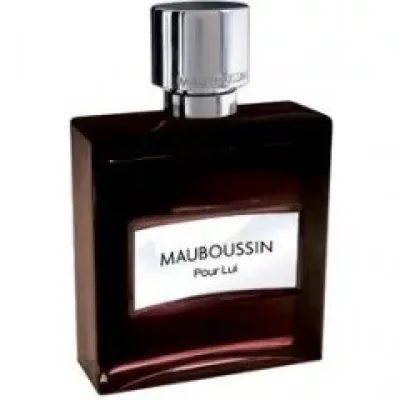


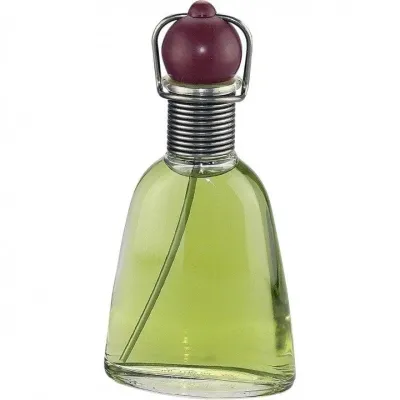


When tarragon is included in a fragrance, it brings a crisp and slightly sweet scent that is reminiscent of anise or licorice. This distinctive aroma pairs well with citrus, herbal, and woody notes, making it a versatile and interesting ingredient for perfumers to work with. Tarragon adds a touch of sophistication and elegance to a scent, making it an appealing choice for both men's and women's fragrances.
One of the reasons why tarragon is such a popular note in perfumery is because of its ability to enhance and complement other ingredients in a fragrance. Tarragon has a green and slightly spicy quality that can add depth and complexity to a scent, making it a valuable addition to a perfumer's palette. When used in combination with other notes, tarragon can create a harmonious and well-balanced fragrance that is both captivating and alluring.
In addition to its aromatic qualities, tarragon is also known for its medicinal and therapeutic properties. Tarragon has been used for centuries in traditional medicine for its digestive and anti-inflammatory properties. The herb is also believed to have a calming and soothing effect, making it a popular ingredient in aromatherapy treatments. When included in a fragrance, tarragon can evoke a sense of tranquility and well-being, adding a unique and therapeutic dimension to the scent.
There are many different ways that perfumers can incorporate tarragon into a fragrance. Some perfumes may feature tarragon as a dominant note, highlighting its fresh and aromatic qualities. Other fragrances may use tarragon as a supporting note to enhance and complement other ingredients in the composition. Whether used as a top, middle, or base note, tarragon adds a unique and intriguing element to a scent that sets it apart from more traditional fragrance notes.
One example of a fragrance that prominently features tarragon is Dior's Eau Sauvage. This iconic men's fragrance, first introduced in 1966, is known for its fresh and citrusy aroma that is complemented by tarragon and other herbal notes. The inclusion of tarragon in Eau Sauvage adds a sophisticated and refined touch to the scent, making it a timeless classic that continues to be popular with men of all ages.
In conclusion, tarragon is a fascinating fragrance note that adds a fresh, aromatic, and slightly sweet quality to a scent. Its green and slightly spicy aroma makes it a versatile and appealing ingredient for perfumers to work with. Whether used as a top note, middle note, or base note, tarragon can enhance and complement other ingredients in a fragrance, creating a harmonious and well-balanced composition. With its unique qualities and therapeutic properties, tarragon is a valuable and intriguing addition to the world of perfumery.