

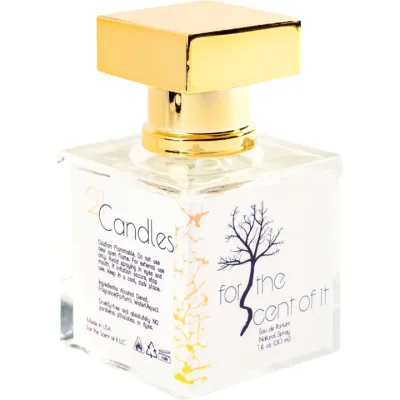




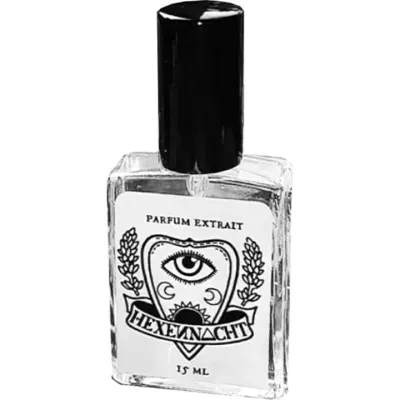





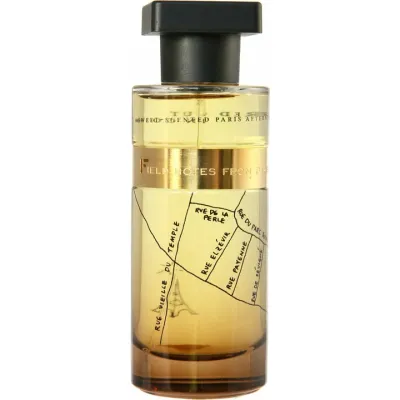





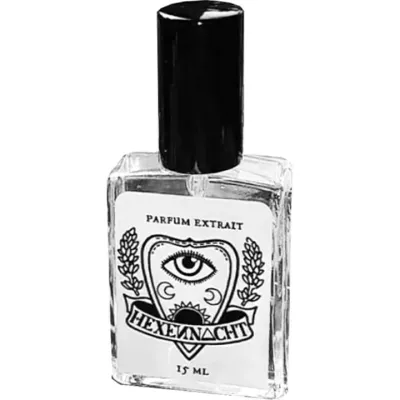





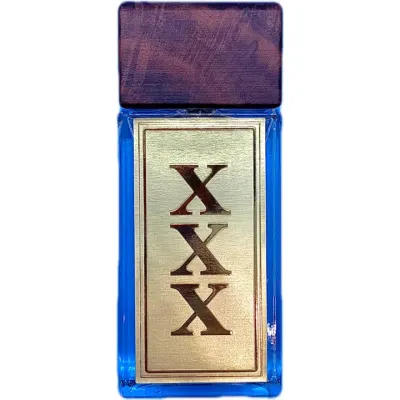


The scent of wax is rich, creamy, and slightly sweet, with a smooth and velvety texture. It has a warm and enveloping quality that can evoke feelings of coziness and relaxation. Wax can also have a subtle floral or honeyed undertone that adds a touch of sweetness and femininity to a perfume.
Wax is often used as a fixative in perfumery, helping to anchor the other notes in a fragrance and prolong its longevity. It adds a soft and smooth finish to a scent, creating a seamless blend of different aromatic elements. Wax can also enhance the overall texture and structure of a perfume, giving it a rich and luscious quality that is both inviting and elegant.
When used in combination with other notes, wax can create a wide range of olfactory experiences. It can be paired with floral notes to create a romantic and feminine fragrance, or with citrus notes to add brightness and freshness. Wax can also be combined with woody, spicy, or gourmand notes to create more complex and sophisticated scents.
One of the most popular uses of wax in perfumery is in candle-inspired fragrances. These scents often feature the warm and comforting aroma of beeswax, combined with other notes like vanilla, amber, and musk. Candle-inspired fragrances are perfect for creating a cozy and inviting atmosphere, whether in a home or a spa setting.
Wax can also be used to create more unusual and avant-garde fragrances. Some perfumers have experimented with incorporating the scent of melted wax, crayons, or sealing wax into their compositions. These fragrances can evoke nostalgic memories of childhood, creative expression, or even ritualistic practices.
Wax is a note that can be found in both niche and designer perfumes, adding a touch of sophistication and refinement to a fragrance. It is a versatile and complex scent that can be used in a wide variety of compositions, from light and airy florals to dark and sensual orientals. Whether used as a main note or a supporting player, wax has the power to elevate a perfume and captivate the senses.